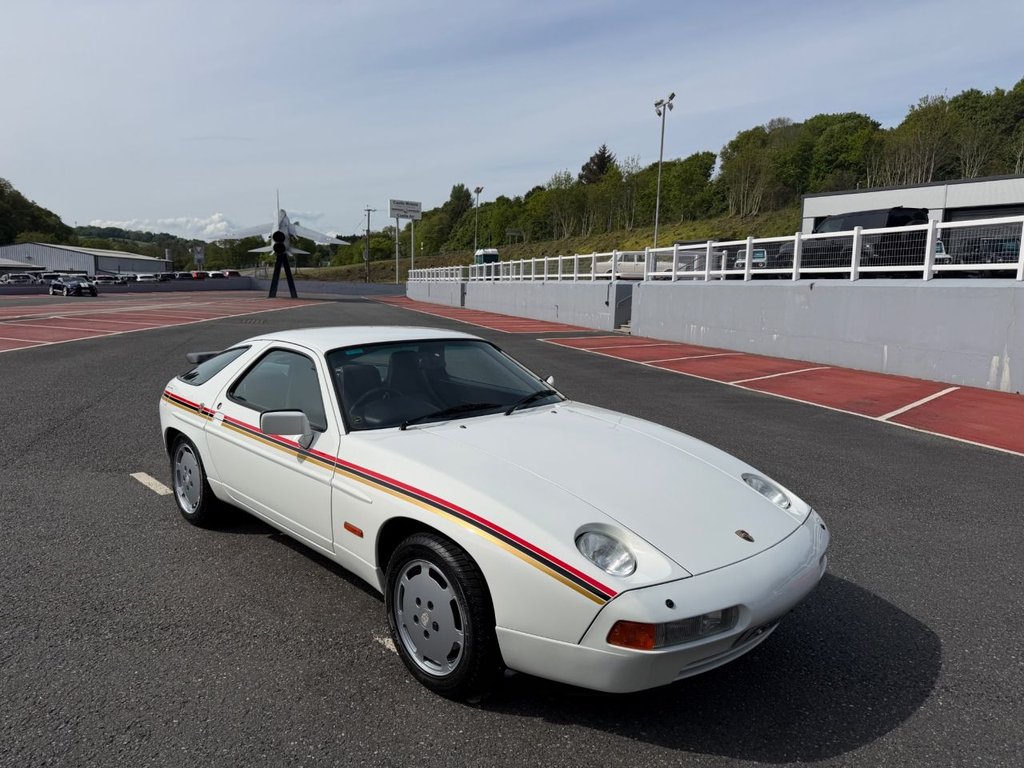
Porsche 928 buyer’s guide
Porsche’s V8 grand tourer spent decades being underrated and is now firmly rediscovered. The gap between a good one and a bad one is enormous.
What it is
A front-engined, water-cooled V8 with a transaxle gearbox at the rear for balance — conceived as a replacement for the 911 and, in the end, sold alongside it for eighteen years. It was extraordinarily advanced and extraordinarily expensive when new.
Which one
The S4 is the one most buyers want: the later, more powerful, better-resolved 5.0-litre version with the definitive body. The GT and GTS are rarer and command significant premiums. Early 928 and 928S cars are cheaper and less sought after.
What to check, in order
- Rust. Sills, floors, around the screens, suspension mounting points. This is the first and most important inspection.
- Timing belt history. Interval-critical and expensive. Documented recent replacement is worth paying for.
- Cooling system. A known weak point on any car of this age and complexity.
- Electrics. Extensive and, when neglected, tiresome. Test everything.
- Interior condition. Trim is hard to source and expensive to restore properly.
Why history matters more than mileage
A 928 that has been maintained continuously is a usable, reliable grand tourer. One that sat for years is a series of expensive discoveries. Mileage tells you far less than the paperwork does.
Running costs
Higher than a modern Porsche. Parts availability is decent but specialist labour is essential, and the jobs that come up on a car of this age are not small ones.
On values
They have risen substantially and the rise has been sustained. We would still not suggest buying one as an investment — running costs are real, restoration costs are worse, and a correction is always possible. Buy it because you want a 928.
Why people love them
Because it is a genuinely great long-distance car with a superb V8 and a shape that has aged into something distinctive. Nothing else drives quite like it, and that is the whole point.