Porsche PDK explained
PDK is a dual-clutch gearbox, not an automatic, and the difference explains why Porsche’s fastest cars no longer offer a manual.
How it works
Two clutches, one for odd gears and one for even. While you are in third, the box has already engaged fourth on the other clutch. Shifting means swapping which clutch is loaded — which happens faster than any mechanical linkage or torque converter can manage.
Why the fast cars are PDK only
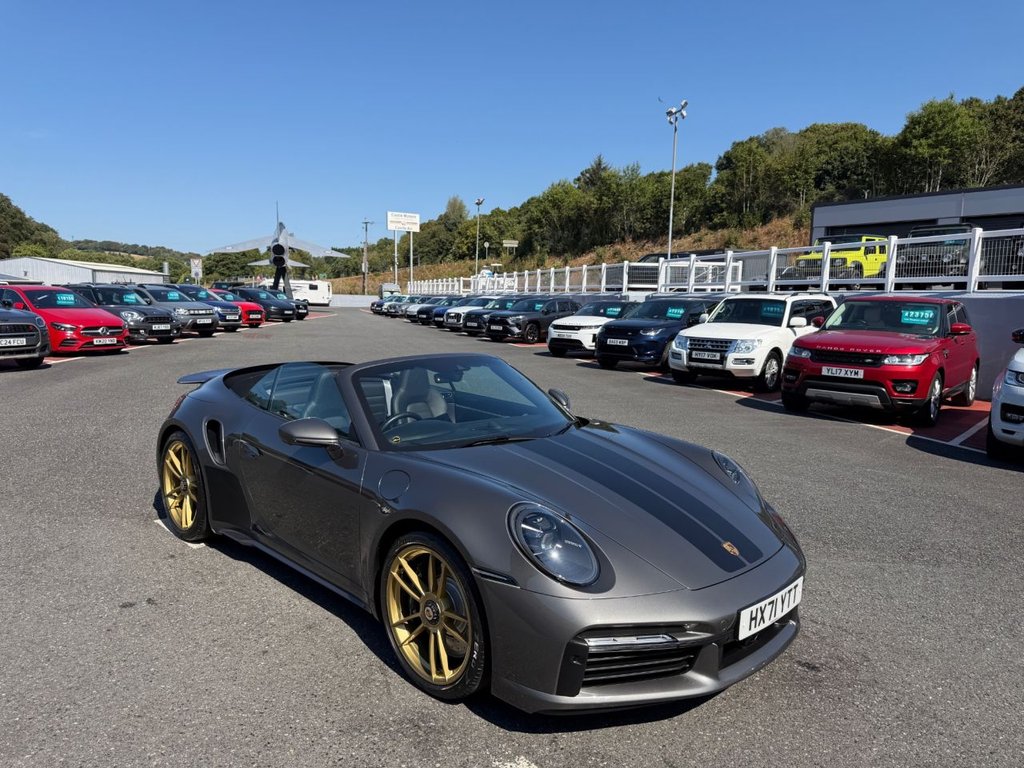
On a 911 Turbo, launching four-wheel drive against that much torque requires clutch control no human can replicate consistently. PDK also holds the engine in its narrow effective band better than a manual can.
The performance difference is not marginal. It is seconds over a standing start and a meaningful margin on any real road.
What you lose
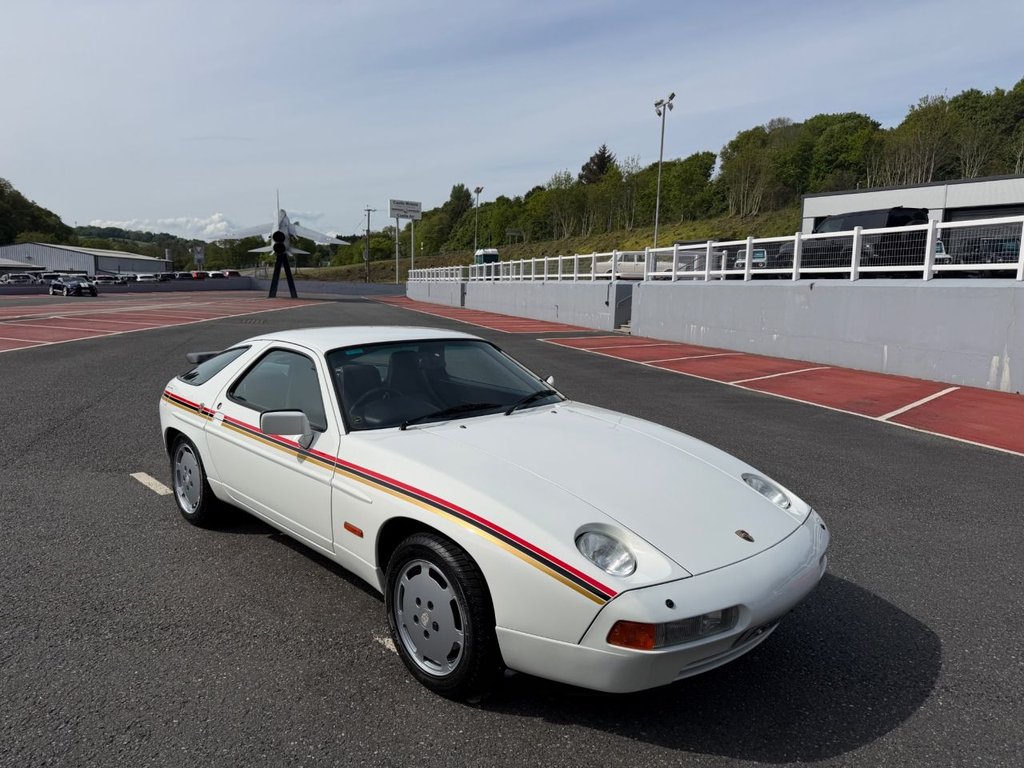
Involvement, for some drivers. A manual demands more and gives back a different kind of satisfaction. Porsche knows this, which is why manuals persist in the GT cars and the lighter sports models where outright pace is not the whole point.
Nobody sensible argues the manual is faster. Plenty argue it is more enjoyable, and they are not wrong.
Buying a used PDK car
- Cold engagement. Should take up smoothly. Hesitation or shunt when cold is worth investigating.
- Low-speed manoeuvres. Parking and creeping is where a tired clutch pack shows itself.
- Service history. PDK fluid changes are part of the schedule and are sometimes skipped.
- Shift quality under load. Should be immediate and clean, not soft.
Reliability
Generally very good. It is a well-proven unit. The failures that do occur are expensive, which is the argument for buying a car with documented servicing rather than the cheapest example available.