Running a Porsche through winter
Four-wheel-drive Porsches are far more usable in poor weather than their reputation suggests. Tyres decide almost everything.
Tyres matter more than drivetrain
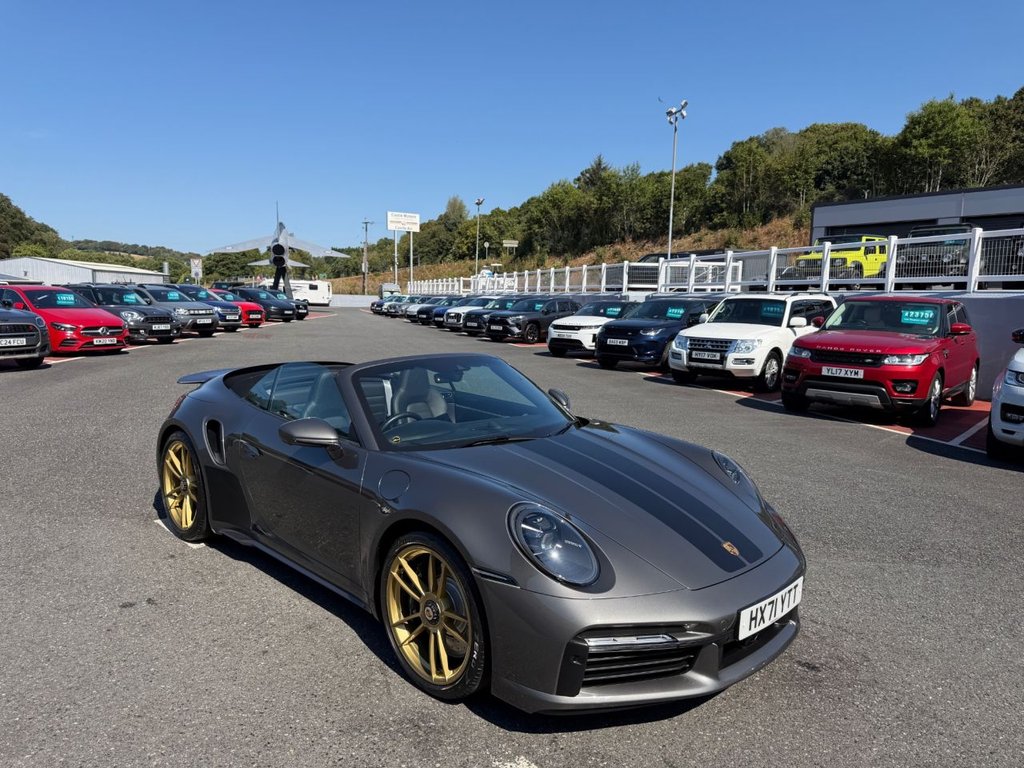
A four-wheel-drive 911 Turbo on summer tyres is worse in the cold than a rear-drive car on winter tyres. Summer compounds harden below about seven degrees and lose grip long before there is any snow involved.
If you plan to use the car year-round, budget for winter or all-season tyres. It is the single most effective change you can make.
Where four-wheel drive helps
Traction from rest, and stability under power on a wet or greasy surface. On a Turbo that is genuinely valuable — it is the reason the car is usable in conditions that would have a rear-drive equivalent tiptoeing.
It does not help you stop or turn. Those remain entirely down to tyres.
Salt
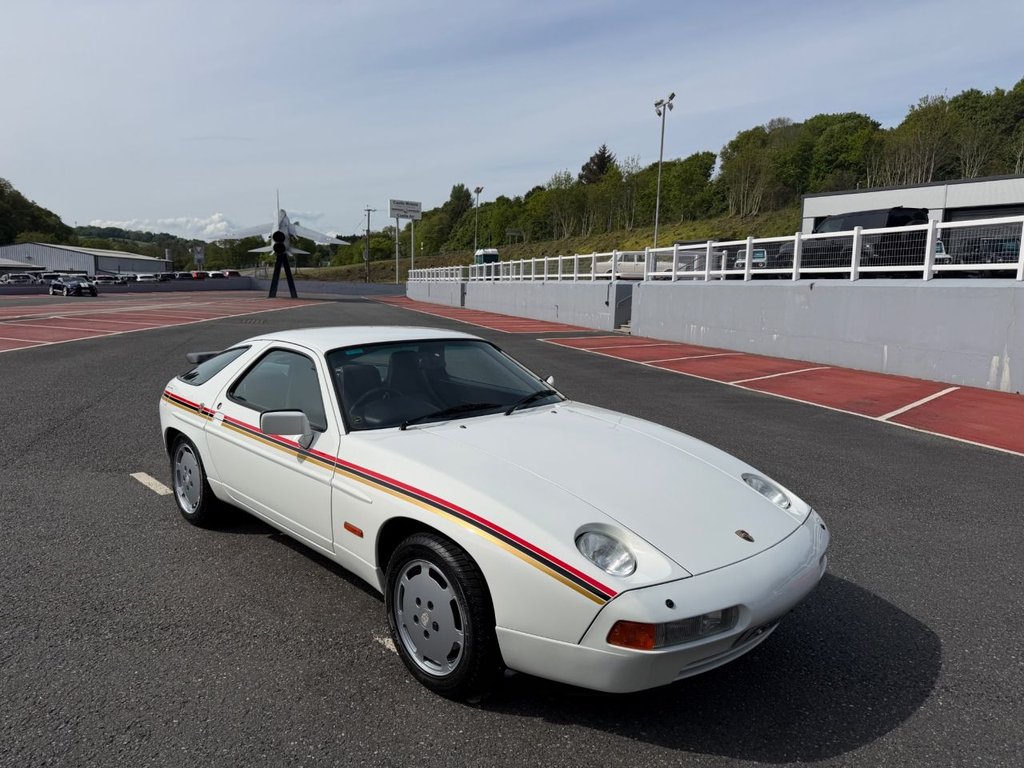
The real winter enemy, particularly on older cars. If you are running a classic through winter, wash the underside regularly. On a modern car corrosion protection is far better, but wheels and brake hardware still suffer.
Buying in winter
A quieter market. Sports car values soften in the colder months and firm again in spring, which makes winter a reasonable time to buy if you are patient.
It is also a more honest time to inspect a car — cold starts reveal things a warm engine hides, and wet roads show up tyre and brake condition quickly.
Storage, if you are laying it up
- Fuel tank reasonably full, to limit condensation
- A conditioning charger rather than leaving the battery to discharge
- Tyres at correct pressure, and move the car occasionally if you can
- Ventilation — a car sealed under a cover in a damp garage does not fare well
The short version
A modern four-wheel-drive Porsche on appropriate tyres is a perfectly sensible winter car. The mistake is not the car — it is running summer tyres in January.